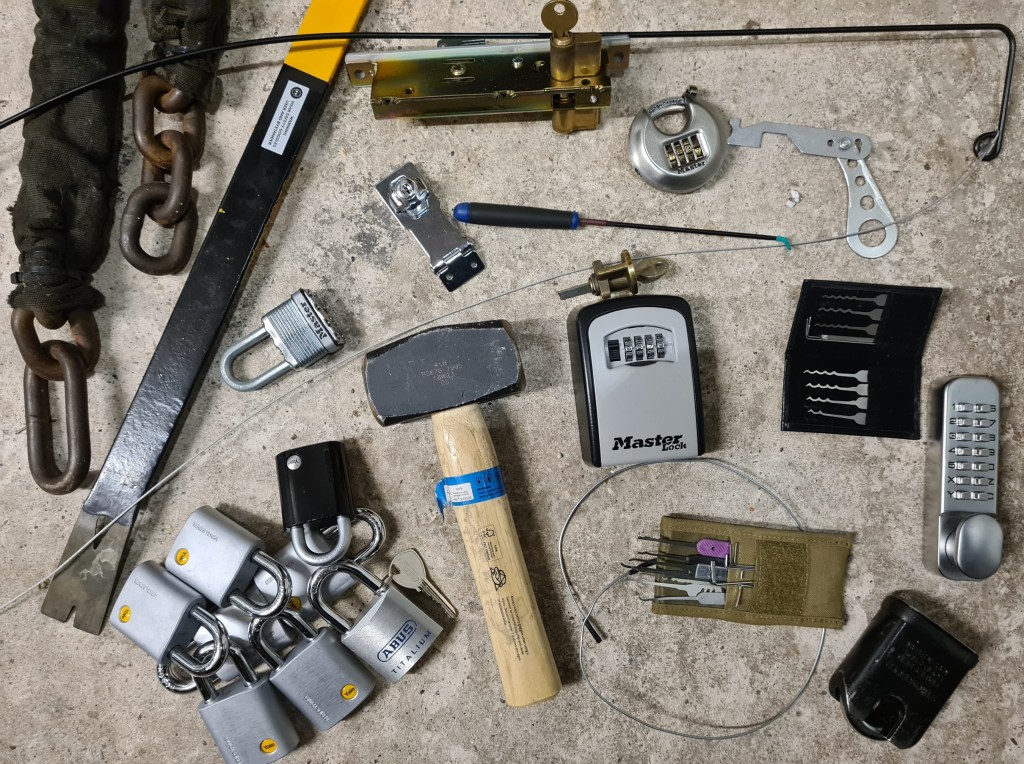
There are plenty of different methods of entry used by criminals so, we look at security / locking systems like a criminal. What is the easiest route in? In order to achieve this, we first “threat model” which is a fancy way of saying we work out where your threats are coming from and put ourselves in that mindset. An off-licence burglar is not going to be using high-tech access card cloning and hack your wireless cameras, whereas someone trying to access confidential information in a hospital is unlikely to use a crowbar. Where we have included images of the tools, we have gone to that top-secret supplier of restricted locksmith and covert entry tools: Amazon.
Lock Picking
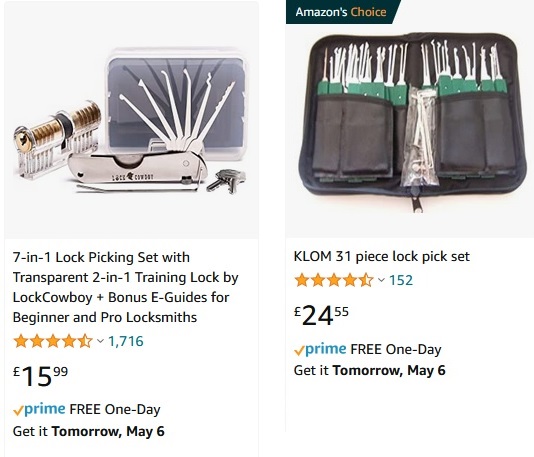
Whilst it has gained popularity amongst hobbyists, true lock picking tends to be amongst the lowest likelihood threats. It takes a huge amount of time and dedication to get good at it, results are unpredictable in the field and those who do need to use such methods are often looking to leave no trace of their presence. Lockpicking leaves obvious forensic evidence on the internals of the lock.
There are variants on lock picking which are important to consider – raking or jiggling locks is a lower skill attack and worth considering. Electric pick guns are very effective and getting cheaper (although you do get what you pay for).
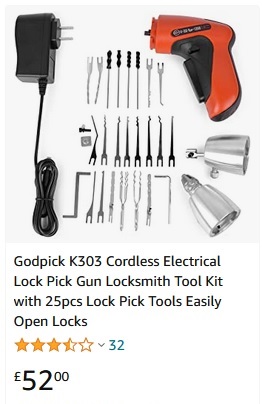
Accessible Covert Methods of Entry
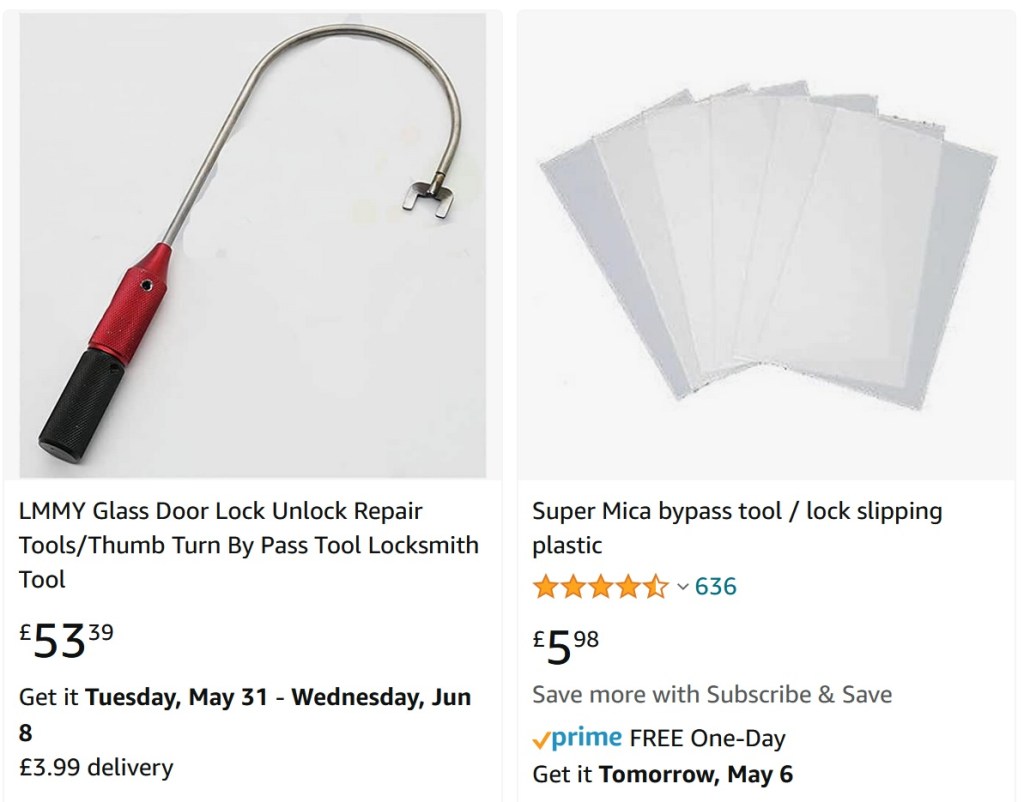
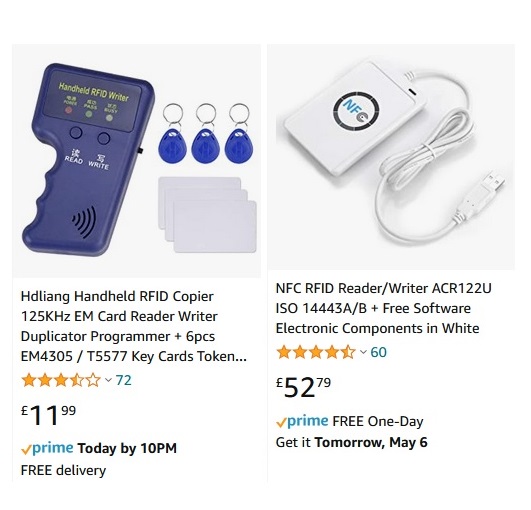
These tools are readily available to purchase on Amazon:
Or you can discover how to DIY on YouTube:
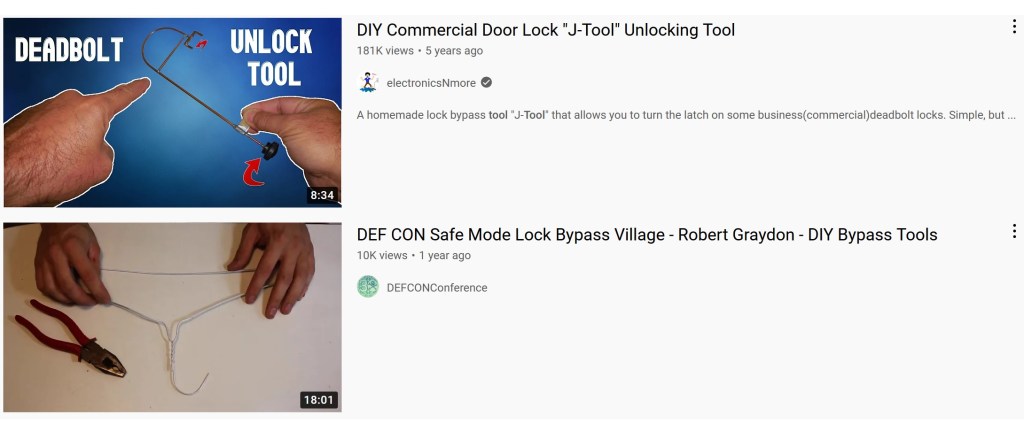
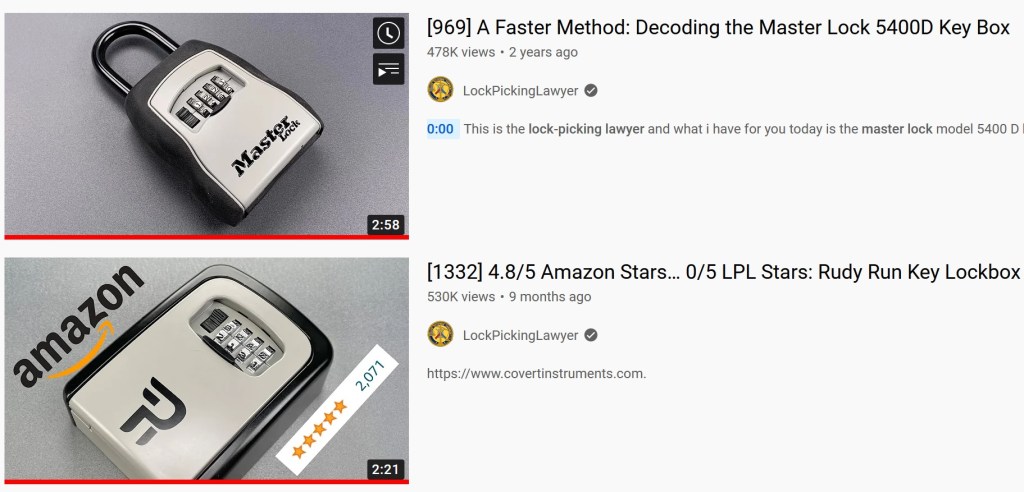
Covert methods of entry tend to be disregarded as “James Bond stuff” which is partly fair, but we live in an age where everyone carries a capable computer in their pocket, has access to YouTube and, of course, Amazon. Therefore, it’s not unreasonable that someone might snap a photo, look up a technique to slip your latch or open your key safe, all in under 5 minutes:
It’s also not unreasonable that some people might buy a bypass tool or a £10-£60 key card cloner off Amazon. Think of copying a key but in a couple of seconds.
Certain kinds of access card can be cloned using a mobile phone in seconds, using free apps from the Google Play Store (and step-by-step instructions on forums / YouTube):
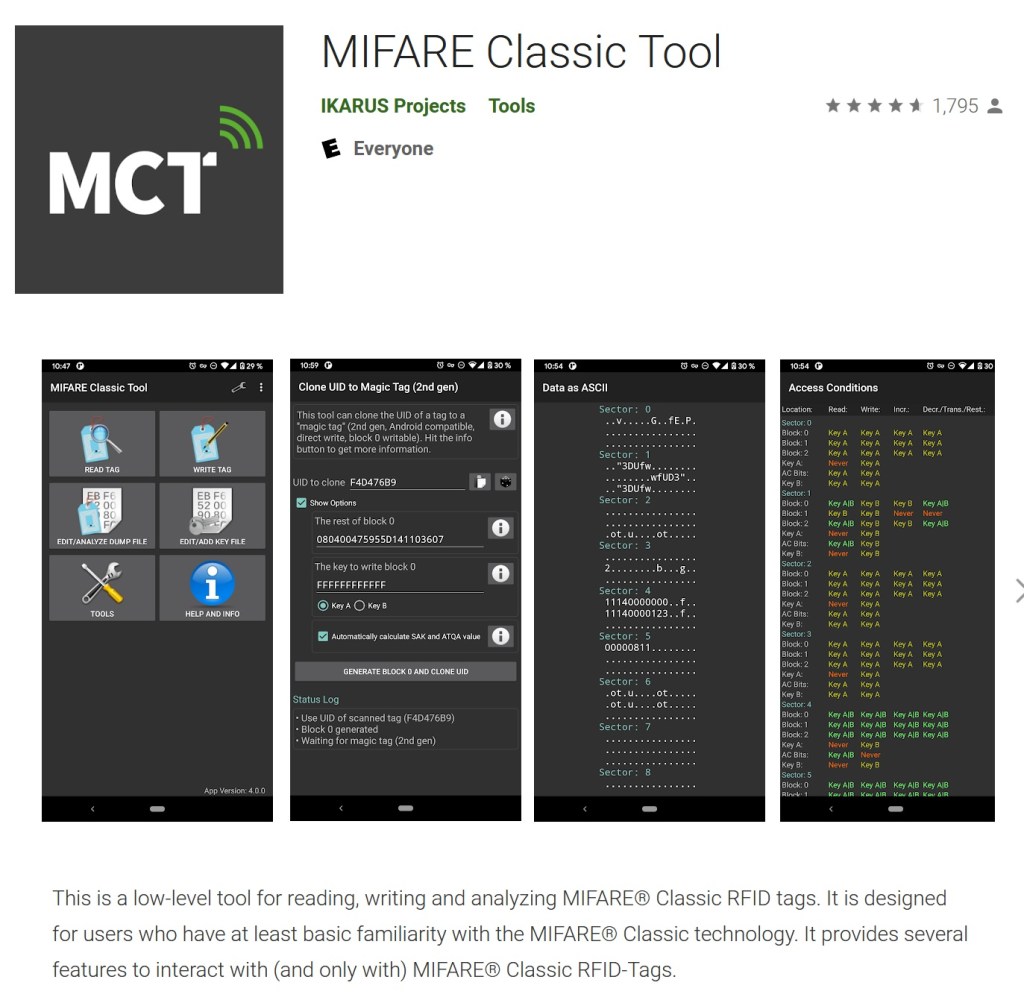
If your threat model includes a disgruntled member of staff who has the chance to clone other people’s cards or all the time in the world to plan, these apps, videos on YouTube and kit off Amazon become a very real risk. Techniques can be very simple and the tools are often easily made from wire, string and drinks cans. Tools that used to be made in very small quantities and sold to locksmiths at high prices are now churned out for the mass market and sold indiscriminately.
So, What Can Styx Security Do?
At Styx we keep abreast of what techniques are out there, what the skill, financial and material barrier to entry is like and how popular they are. A good example is certain padlocks or key safes could always be opened destructively with all the noise and attention that brings. But a quick YouTube search will show that they can be opened quietly and covertly in seconds, with tools made from a drinks can or off Amazon. The reduction of the barrier to entry for these covert techniques, which reduce the risk of being caught, makes them far more available to criminals.
Whilst a security integrator is best placed to advise on revamping your hardware, we can point out where maintenance and real world use has defeated a critical part of your security system. As we are familiar with the attacks in use, we can suggest ways you might rectify the situation without re-hanging doors or replacing expensive fixtures.
We do not make our money by selling you things, we make it by providing honest evaluations, demonstrations and suggestions for cost-effective improvements.
What’s In It For My Company?
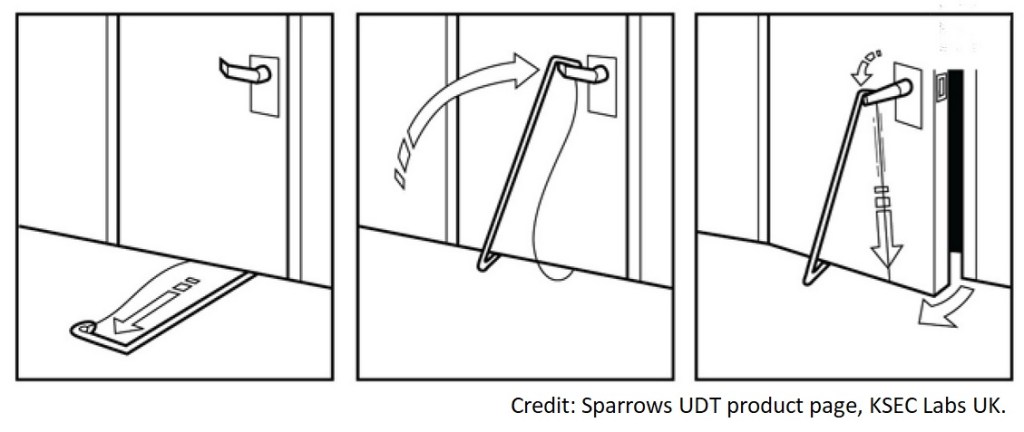
Because we understand how these bypasses or attacks are performed, we can advise on ways to mitigate the risk without necessarily replacing expensive hardware. For example, the under door tool has been around for decades as a way of covertly entering hotel rooms and offices. The expense of retrofitting replacement hardware is such that the vulnerability still exists, and hotels can find they are faced with an incident where multiple rooms have been accessed and now need to fix the problem. With a little understanding, the addition of a cheap piece of plastic in the correct location will make under (and over) door attacks nearly impossible. It just needs someone familiar with the attack to advise your estates team.
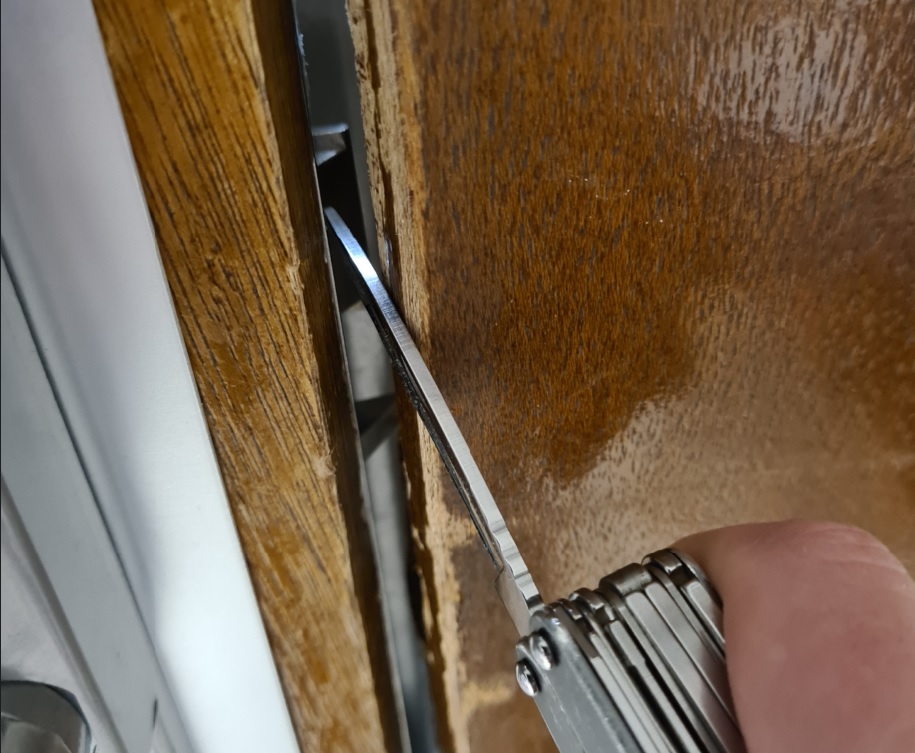
Destructive methods of entry are usually comprehensively covered by a physical security hardware provider. Newly installed systems are usually very robust. What tends to happen is, over time, systems which worked perfectly to start with come up against maintenance issues and are subject to the most enduring type of repair; the temporary fix. This can lead to locks with incorrectly sized cylinders which are just begging to be snapped. Latches may be replaced, making them easily slipped with a screwdriver. Or, fire exits have weather stripping replaced are no longer secure from double door tool attacks.
Just a simple change in operations can mean your security no longer works as the installer intended and the overall efficacy is undermined.
You may have paid thousands for your security but undermine it in ways that displease your insurance company in the event of a claim or even put your staff or customers at risk, breaching your duty of care.
Whilst you can get security assessments for free, these companies make their money by selling you the hardware to mitigate the issues. There is absolutely a place for this, and we know a couple of excellent companies who we would be happy to direct you towards if they fit your needs. These free consultations are a great place to start, but often the cost of actioning recommendations is prohibitive.
Styx Security makes money directly from the assessment, by suggesting cost-effective solutions to issues rather than replacement hardware (although this may be necessary). We do not do the work ourselves, that’s for your preferred contractor or estates department to do, but we are happy to identify how we would access an area, educate on the techniques and pass on things that would make our lives harder or negate the vulnerability entirely.
Feel free to contact us to discuss your needs.
 Styx Security